


Expert Views & More

News & Stories
Upcoming Events

27.04 - 29.04.2024, Tokyo
AES Tokyo
29.04.2024, Tokyo
Headphone Festival
16.05 - 18.05.2024, Berlin
Superbooth 24
Neumann – the reference since 1928
Since 1928, the name Neumann has been synonymous with perfect sound, pioneering innovation and uncompromising quality.
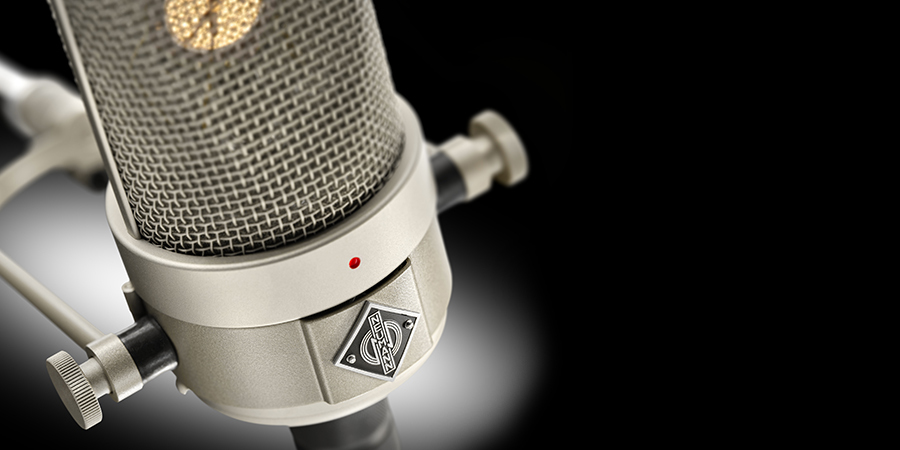
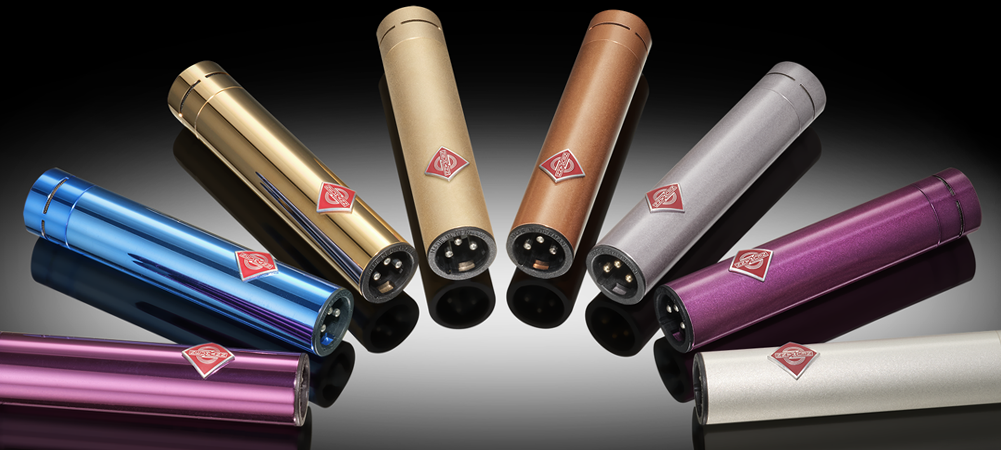
Rare is the recording – whether classical, rock or pop, be it the newsreader on television or the voice on the radio – which doesn’t feature at least one Neumann microphone.
Since 2010, Neumann has also been offering professional solutions for studio monitors, continuing the legacy of loudspeaker innovator Klein + Hummel.
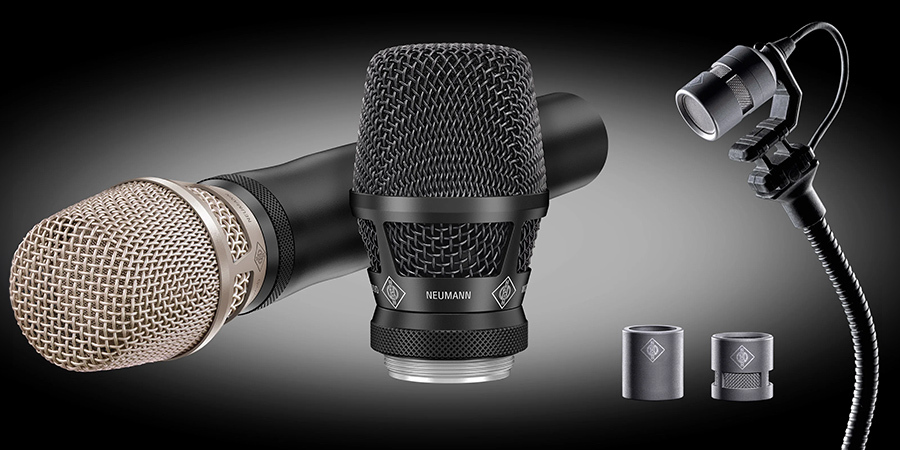
At the beginning of 2019, the first Neumann studio headphone was launched, and since 2022 the company has been increasingly involved in the field of live microphones.
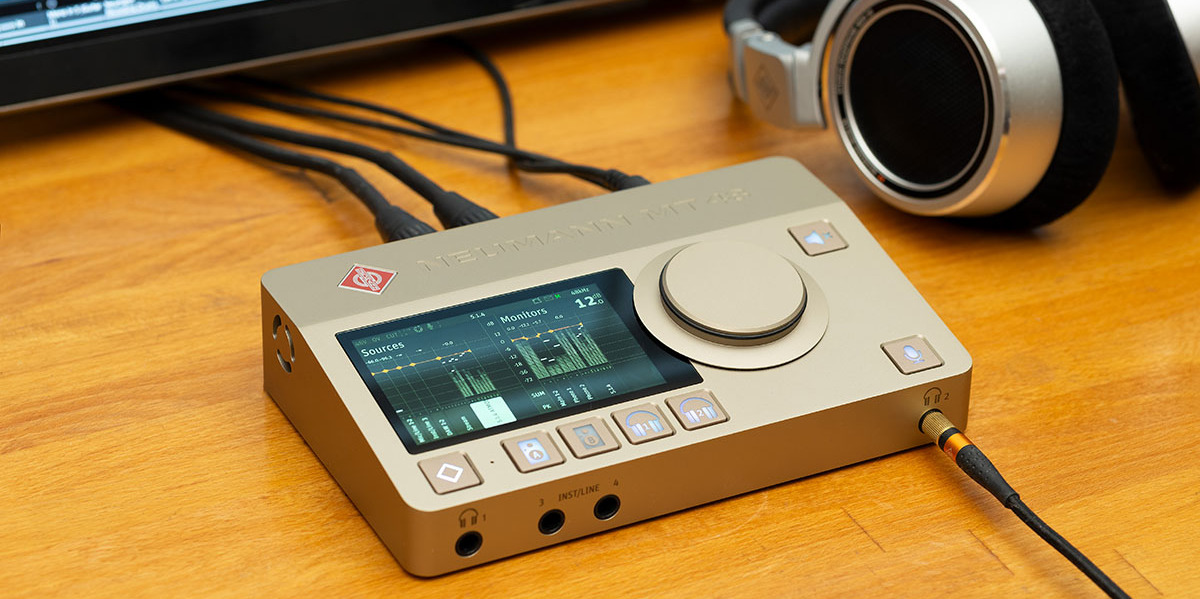
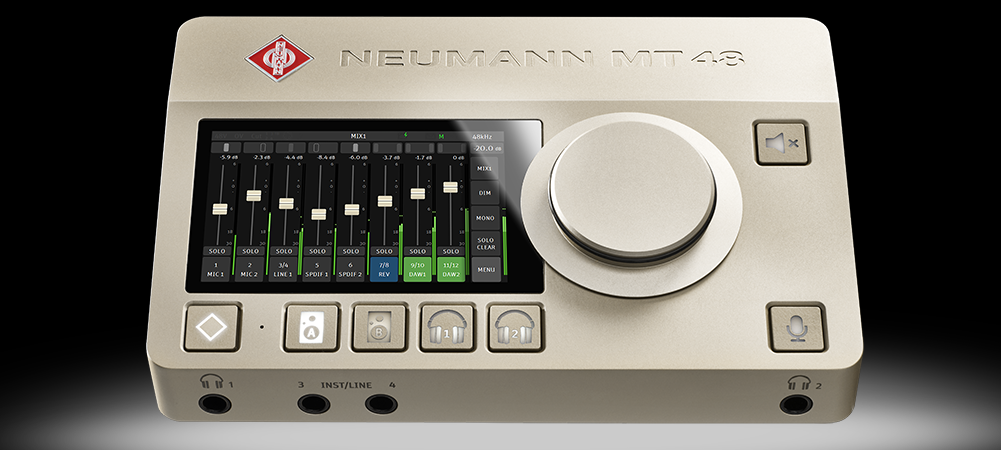
With the introduction of its first audio interface MT 48 and its revolutionary converter technology, Neumann now offers all the necessary technologies to capture audio in reference quality, from sound recording to sound reproduction.
Discover studio microphones, monitors, headphones and audio interfaces from Neumann.