Recording Harp
Tips and Secrets for Recording Harp | EP 08

HOW TO RECORD THE HARP: TIPS AND SECRETS
- What shapes the sound of the orchestral concert harp
- How the soundboard, strings, and plucking noise contribute to the tone
- Why room acoustics and wooden floors enhance resonance
- How to set up a stereo recording with omnidirectional microphones
- Recommended distance and height for clear, balanced harp recordings
- How to record the harp effectively with a single microphone
[0:00] In this tutorial series, we get into the essentials of how to make you and your orchestral instrument sound and look better. In this episode, we take a closer look at the orchestral concert harp, which is a powerful instrument with a wide dynamic range and a large frequency response. The sound is generated by the strings, comes from the soundboard, and the plucking noise of the fingers also plays an integral part. You can enhance the sound with a nice wooden floor, which gives it more resonance and warmth.
[0:57] (Instrument plays)
[1:23] It's really nice to record the harp with a stereo setup. In this case, we use two Neumann KM183 microphones with an omnidirectional pickup pattern, which can capture all the low end from the harp. Both microphones are mounted in parallel, about 25 to 30 centimeters apart. They are positioned approximately 1.5 to 1.8 meters high and 1 to 1.5 meters away from the harp. Aim to find the right balance between the plucking noise, the tone of the harp, and the room sound.
[1:58] If you only have one microphone, this position is also a good starting point. You can use a Neumann TLM 102 and make sure to try recording from the other side of the harp as well.
[2:15] (Instrument plays)
FAQs | EP 08
Use a stereo microphone setup positioned around 1 to 1.5 metres from the harp to capture a natural balance of tone, plucking detail, and room sound.
A pair of omnidirectional microphones in a stereo configuration can capture the harp's full frequency range and natural resonance.
Yes. A single microphone can produce excellent results when placed carefully and adjusted to suit the instrument and room.
A good starting point is 1 to 1.5 metres from the instrument, allowing a balanced capture of harp tone, plucking noise, and room ambience.
Yes. A room with good acoustics and a wooden floor can add warmth and resonance to the recording.
Step-by-Step Guide: How to Record the Harp
1. Understanding the Sound of the Harp
- the strings,
- the soundboard, and
- the plucking noise of the fingers, which forms an essential part of the character.

2. Recommended Stereo Microphone Setup
- Microphones mounted parallel, spaced 25–30 cm apart
- Height: 1.5 to 1.8 meters
- Distance from the instrument: 1 to 1.5 meters

3. Recording With One Microphone
It is recommended to try recording from the opposite side of the harp as well. The tonal balance can change, and you might discover a more flattering angle depending on the room and performance.


KM 183 (série 180)
KM 183 (série 180)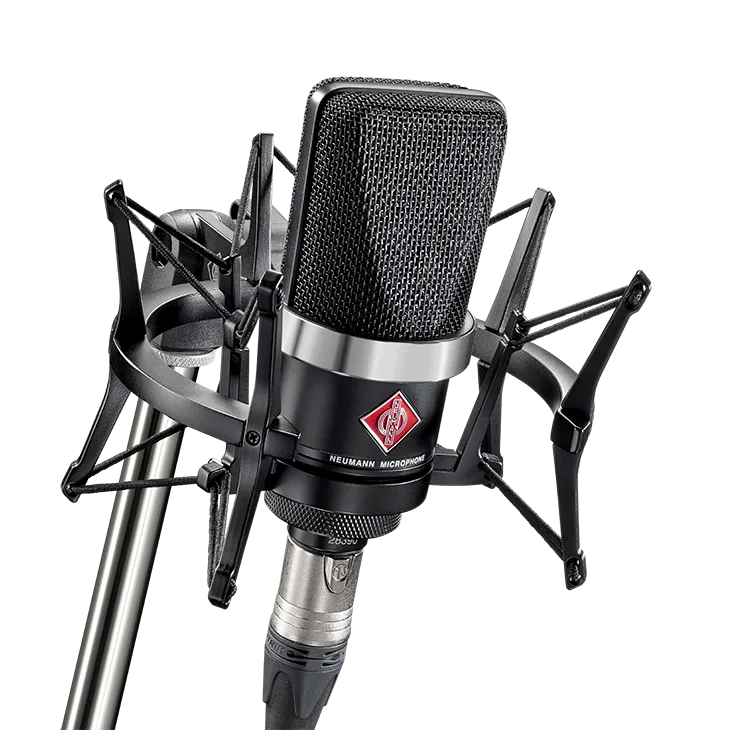
TLM 102
TLM 102Curious to know more?
- In Episode 9, we’ll provide you with some tips and secrets on how to record the Grand Piano with a solo Instrument.
- Discover more guides and expert tips in our Knowledge Hub.
- Follow us on Instagram to stay updated on our daily news and behind‑the‑scenes insights!


